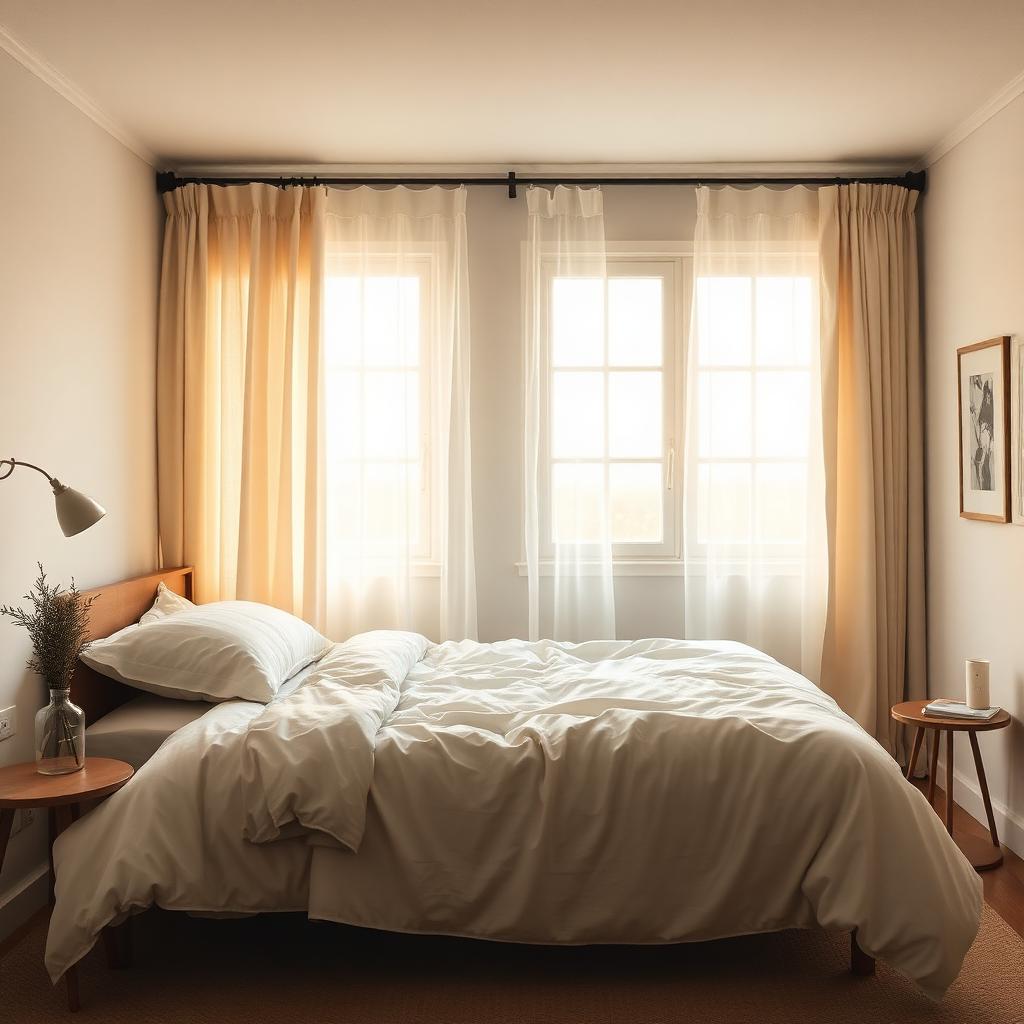
For years, sleep advice has swung between extremes: buy a smarter mattress, track every heartbeat, take another supplement. But the researchers who study sleep for a living tend to keep coming back to a much smaller set of daily habits — most of them free, and most of them boring.
1. Get bright light within an hour of waking. Morning light is the strongest signal your circadian system receives all day. Ten to twenty minutes outdoors, even under cloud cover, helps anchor the timing of your sleep-wake cycle.
2. Keep a consistent wake time. Wake time is a more reliable anchor than bedtime. Sleep specialists often recommend holding it steady within a 30-minute window, including weekends, especially during periods of poor sleep.
3. Give caffeine a curfew. Caffeine has a half-life of roughly five to six hours in most adults. A 3 p.m. espresso still leaves a meaningful dose circulating at 10 p.m. Many people sleep noticeably better after moving their cutoff to early afternoon.
4. Build a real wind-down window. The brain does not have an off switch. A 30- to 60-minute buffer between work or screens and sleep — dim lights, a book, a short walk — reliably shortens the time it takes to fall asleep.
5. Treat the bedroom as a sleep environment. Cool, dark and quiet still wins. A room around 18°C (65°F), blackout curtains or an eye mask, and phones charging in another room remain some of the most cost-effective sleep interventions available.
None of these habits are dramatic on their own. Stacked together and repeated for a few weeks, they tend to produce the kind of steady, unremarkable sleep that most people are actually looking for.